Attractive Energy and Activity

Have you heard the phrase, “Everything happens at once?” When you are busy, activity and commitments seem to multiply and its easy to become overwhelmed. Similarly, when you have less to do, and struggle with motivation, that energy creates more of the same. I watched a wonderful video by one of my favourite Tarot readers, Gem Goddess. She explained that by changing your energy, to a more active state, you will attract more activities to you. She used the example of sitting at home bored, then changing your energy to clean your room. As you are active and engaging in a task, more opportunities to be active appear. Gem’s explanation is a lot clearer than mine, so I recommend watching her video. I have put this in to practice. I’ve noticed that by keeping busy, my energy is higher and I am attracting a lot of the things I have been waiting for. When your energy is sluggish, this causes delays in what you want because you are passive.

So get out there and take action!

I recommend watching Gem’s video which can be found here: https://www.youtube.com/watch?v=ETLWNFdBUJ4

Starting the Future Authoring Program

I am about to start completing the last program in the three part “Future Authoring Program” package. I have completed the past and the present authoring programs. The future is difficult for me, as at the moment, there is a lot of uncertainty. I have a direction that I would like to go in, however it will be challenging to get there. A lot of my 2021 goals, I have been able to achieve. I have worked on my career and my education. I am fortunate to have been accepted to a PhD program. I know that in order to prepare for the future we must make sense of the past. For me the past authoring program was difficult as I had to confront the mistakes I had made which have affected my current reality. The only thing to do is to have a positive outlook and to move forward.

If you have completed the Future Authoring Program, please let me know how you found it!

*Self authoring program by Dr Jordan Peterson can be found here. https://www.selfauthoring.com/

It’s been a minute

Dear readers,

Thank you for being patient as I have been working on a new project behind the scenes. I’m glad to have some time over the Easter weekend to post and update you all on what has been happening. Firstly, I am taking on more online clients which is exciting. I feel this is a sensible step, in light of the pandemic, online learning helps keep everyone safe. The students I work with range in age from Early Years to Adults. I find it fascinating how students who are so young can still engage online during classes. I’m planning to post more and more content to help teachers new to teaching online. As more and more schools integrate blended learning into their curriculum, the ability to teach online is becoming more and more desirable. I am planning a seminar for parents and teachers which will allow the exchange of ideas and strategies for online learning and teaching. More details on this will be in an upcoming post. Please leave a comment below if you would be interested in attending my online seminar.

Thank you for reading, and stay safe!

The Self Authoring Program

Last month, I signed up for Dr Jordan Peterson’s Self Authoring Program. I originally wanted to take the Future Authoring Program, but ended up signing up for all three programs (Past, Present and Future) as it was very reasonable for the set (around $25). I have completed the past authoring program. It was suggested that it would take around four hours, for me it took a bit longer. I had to take regular breaks (which I recommend) and really go through some deep thinking and reflection. I highly recommend this program, but do the writing tasks when you don’t have a lot of other commitments, as I found it quite tiring. It offered a lot of perspective and I was able to learn from the decisions I had made in the past. I’ve seen quite clearly where I have gone, and potentially this will help me avoid repeating these patterns in the future. For anyone interested in reflection and introspection, I highly recommend this program. It is a form of therapy, in my opinion, so you need to be in the right frame of mind to undertake this task. I am grateful for having the time in lockdown to take the program and reflect on my life so far. I am currently working on the Present Authoring Program (Faults) and am hoping to finish that today. If you would like more information on the program please leave me a comment. I will link the program below.

The Self Authoring Suite by Dr Jordan Peterson

https://www.selfauthoring.com/self-authoring-suite

Taking the time to answer parent’s questions!

As an online teacher, I often get asked so many questions by parents struggling with home-schooling and navigating the technology being used for online class. I’ve found that offering free consultation sessions with clients before they commit to classes, I can provide reassurance to parents and give them the opportunity to ask any questions about how to support their children at home.

I can see the appreciation of the parents I work with, and they are having such a difficult time balancing work, home life and schooling during this difficult time. I was grateful when one mum took the time to personally thank me and it just made me feel good. If you are helping your children with home-schooling and have questions you would like to ask, please leave me a comment below. I am wishing you all the best of luck on this rainy day!

Thank you for reading!

GCSE English : Five Essential Resources

I teach GCSE English, and parents and students alike are consistently looking for effective revision materials. It’s important to realise that everyone has different learning styles and needs, so this is a general list. If you have specific questions about materials, please leave me a comment and I will be happy to reply.

  1. AQA English Language Study Guides– Available on a plethora of bookselling sites, these guides give a comprehensive guide to the content covered in the exam, as well as books that focusing on developing writing skills for the assessments (exams). A comprehensive guide can be found here: https://www.aqa.org.uk/subjects/english/gcse-english-textbooks
  2. BBC Bitesize– Approved provider of the UK national curriculum, this website offers resources and activities for every subject. You can search activities by exam specification as well. These activities would suit a visual learner. Check out the website here: https://www.bbc.co.uk/bitesize/subjects/zr9d7ty
  3. York notes– A great series of books, featuring activities for exam preparation, with practice questions and self-study skills. This range of books would suit a confident, independent learner. Find out more here: https://www.yorknotes.com/gcse/english-language
  4. Past papers- The key to success is familiarising yourself with the format of the exam AND past papers. For the AQA English Language GCSE (check your specification) past papers can be found here: https://www.aqa.org.uk/subjects/english/gcse/english-language-8700/assessment-resources
  5. Free online GCSE lessons– If you are taking the Pearson English Language Exam, Pearson are offering free online English language lessons because of the pandemic. Check them out here : https://www.pearson.com/uk/educators/schools/subject-area/literacy-and-english/support-for-all/support-from-pearson/free-online-gcse-english-lessons.html

Free teaching resources for parents

Home-schooling is continuing for the foreseeable. When trying to reduce trips to the shop, it might be tempting to go and spend a lot of money on home-schooling and crafting equipment. However, there are lots of free resources that can be found in the home, at no cost. Especially if you have very young children who needs lots of stimulation and their focus and attention changes so quickly. You wouldn’t want to spend loads of money on craft supplies for your child to play with it for five minutes and then get bored. Below are some ideas which can inspire you in your home-schooling journey.

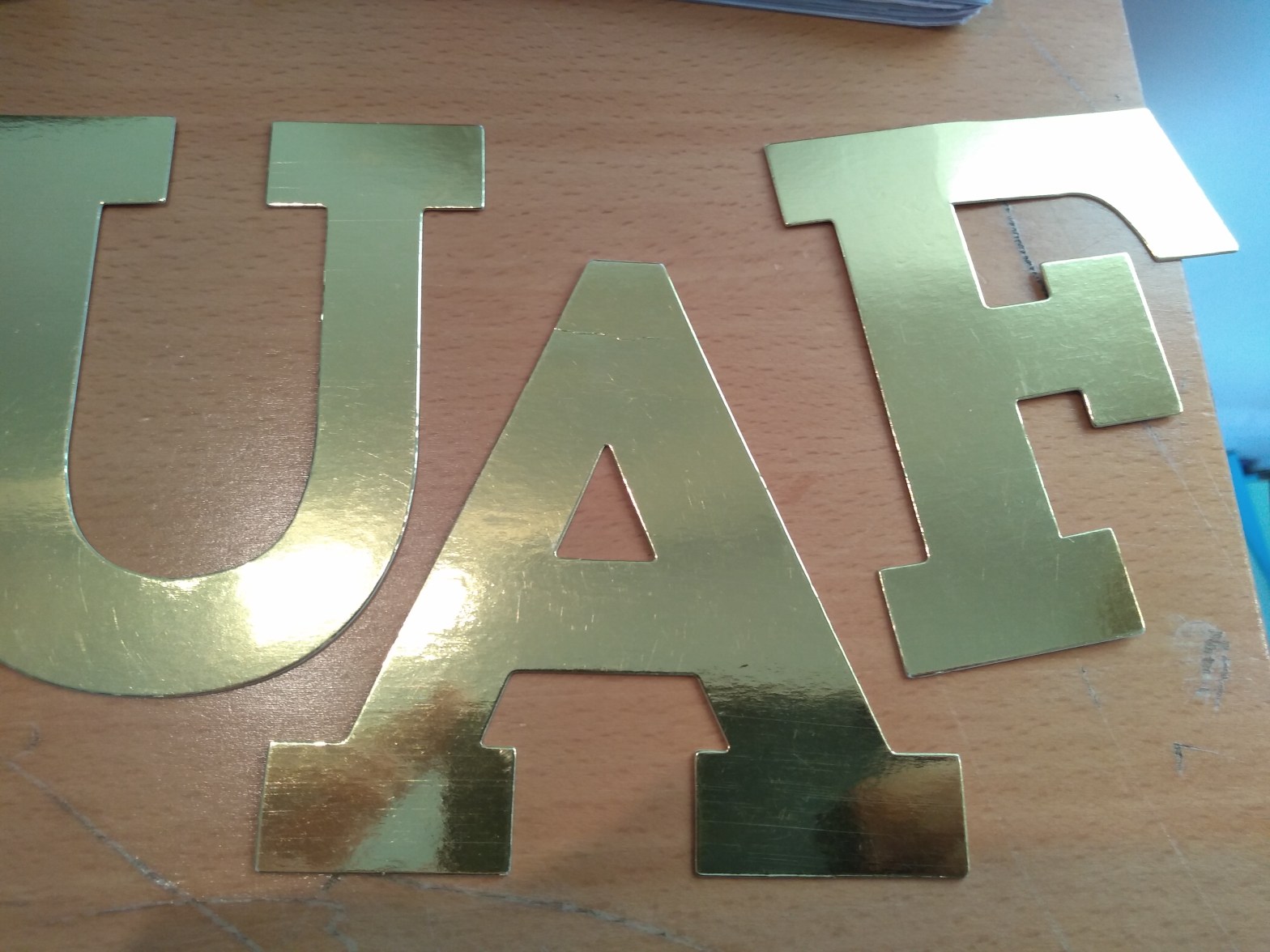
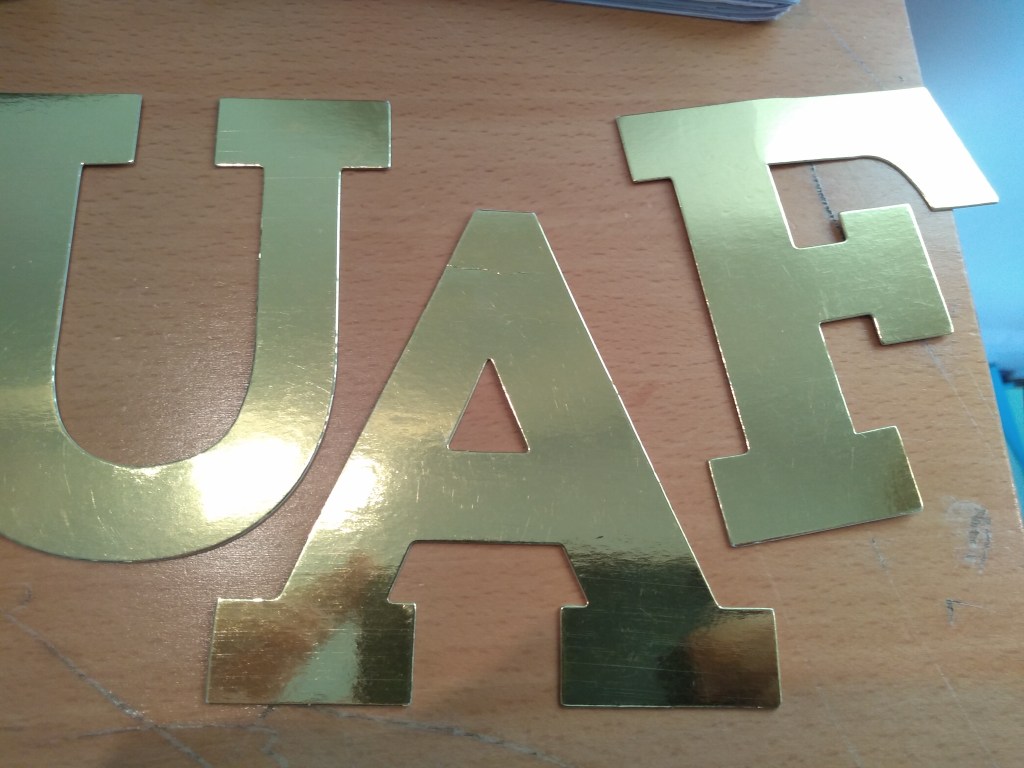
  1. Alphabet shapes – You can DIY these, or write them on a piece of paper. If you are an avid cutter, you can easily make these. I did purchase mine as I know from experience I am not the best scissor user! I purchased mine from The Works last year for around £1. Not a bad price!

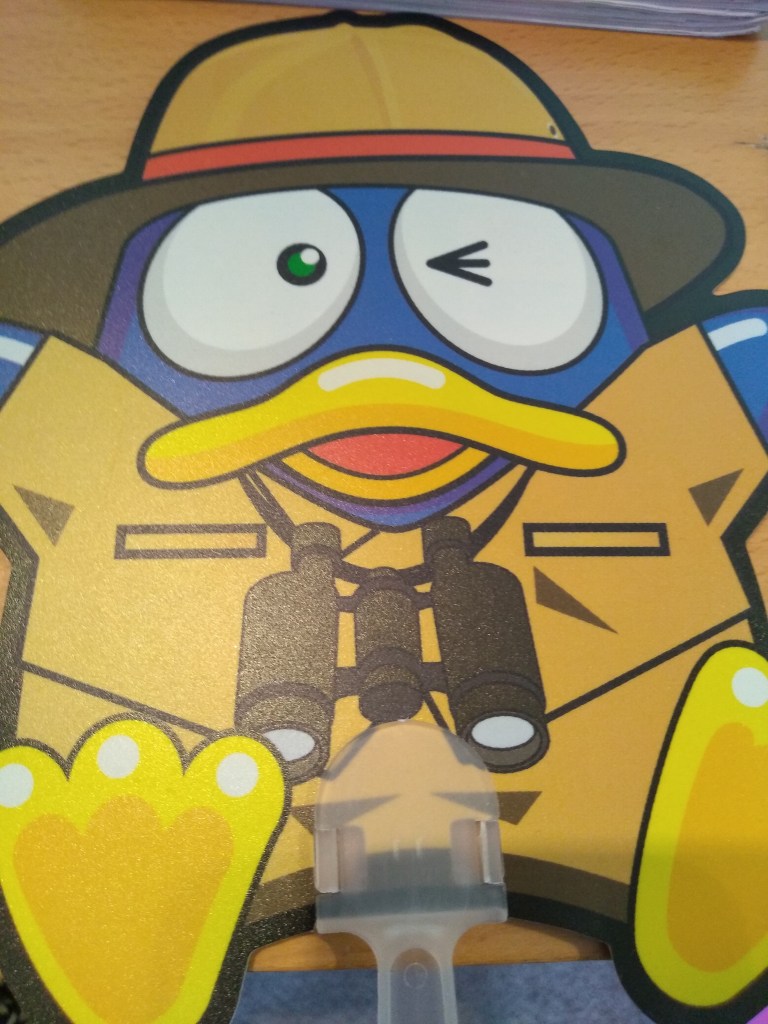
2. A puppet or teddy bear- Sometimes very young children feel more comfortable with a puppet telling the story. It also makes the story more interactive. We all enjoy reading a story, and some of us may remember Sooty and Sweep with fond memories. I had this little guy floating around the house, it’s actually a fan but serves as a puppet in my online tutoring classes.

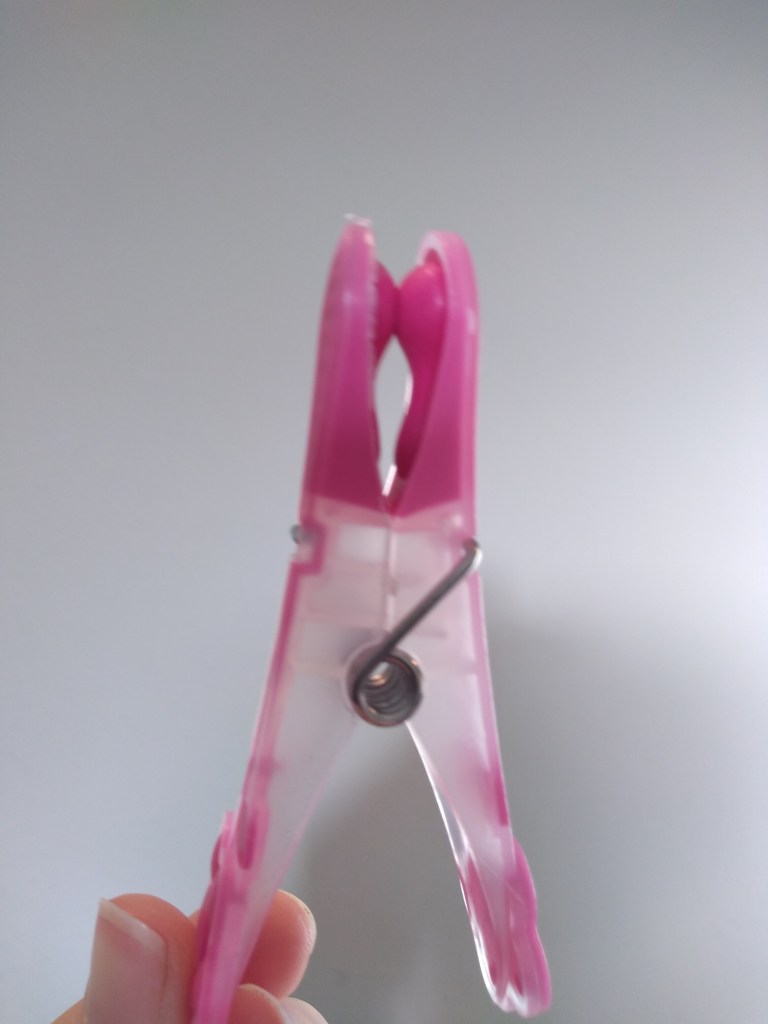
3. Clips/ pegs – The pre-school teacher’s best friend. These are great for building up fine motor skills, can be a make shift crocodile, can be used in crafts. I am sure you have some of these floating around the house. A good game for children aged 3-4 is using pegs to put pom poms into a box. They can also be used in various sorting activities.

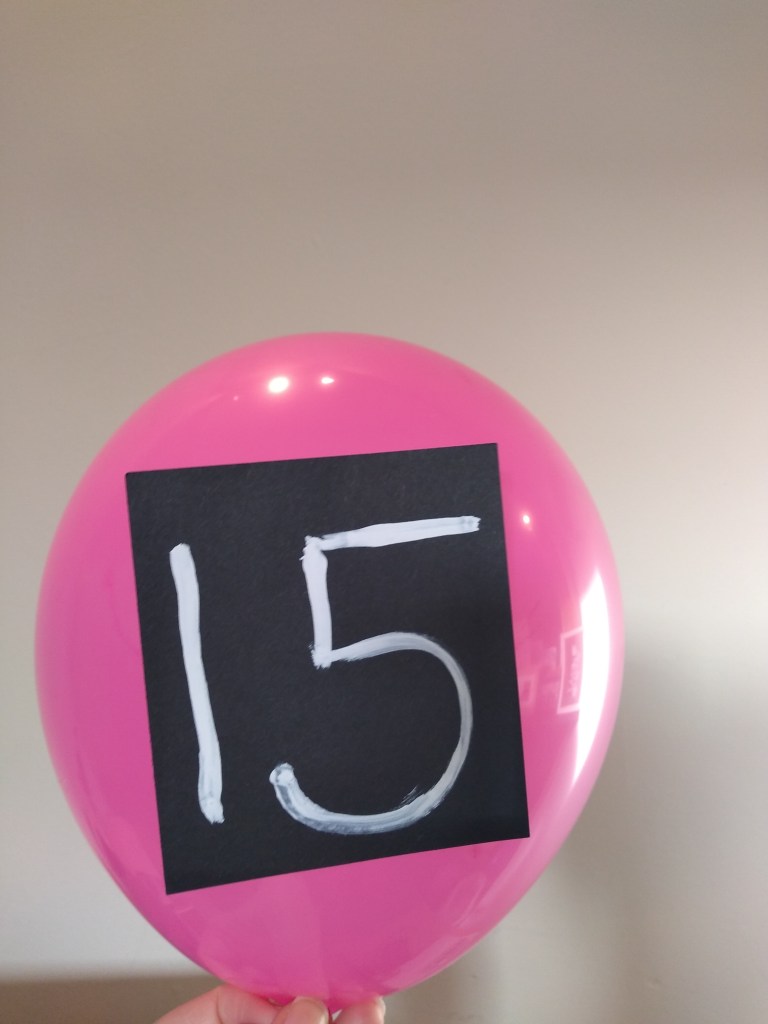
4. Balloons- I had an enjoyable lesson with a child who enjoyed seeing the balloons and guessing which number was on each one. Balloons can be used for teaching science (air/ states of matters), colours, and you can attach numbers and letters to help with phonics and numeracy skills. I had some floating around a drawer, left over from a birthday. It does spice up an online lesson.

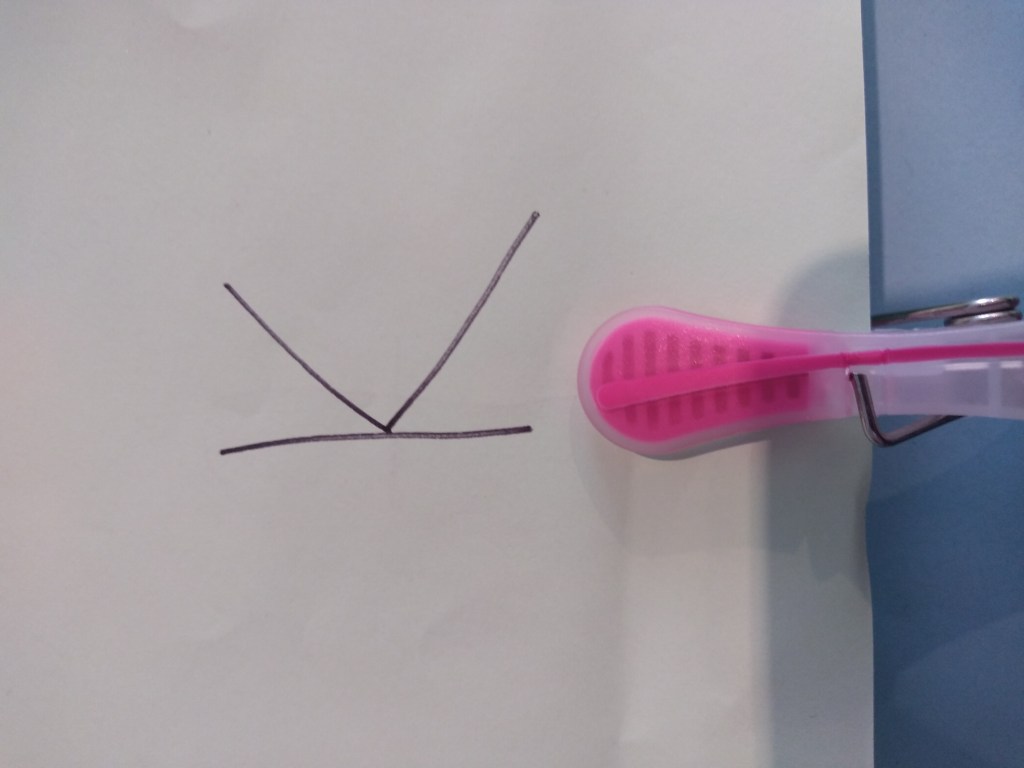
5. DIY games – We can’t always afford fancy board games and resources. Sometimes the most successful games are hand made, simple yet effective. I made a simple phonics game with a piece of paper and a peg. The crocodile (peg) was hungry and went to eat different letters. The child then said the letter name and the letter sound. You could do this with numbers, colours, sight words, punctuation and more. An enjoyable and effective activity.

What resources do you use at home? Do you have any ideas for free resources? Leave a comment to share your ideas.

Free phonics resources for home-schooling

Phonics refers to the sounds of the letters of the alphabet. These can be individual sounds, digraphs (two sounds) or trigraphs (three sounds). Parents and teachers may have to double check the sounds when put on the spot, especially for seamless examples and explanations of trigraphs. These sounds may not come natural for everyone, so I have included some free phonics resources that parents (or teachers!) may use for home-schooling. Remember, building phonics skills helps children’s emergent literacy. All children develop at different rates and learn in different ways. Make good use of the time at home by getting to know your child’s learning style.

  1. Alphablocks – A popular series available on YouTube for free. Children are introduced to the characters, who each have their own sound. A fun and engaging way to familiarise children with the sounds of English.
  2. PhonicsPlay – This website features different digital phonics games and resources. Perfect to scaffold those pre-reading skills.
  3. Phonicsbloom – My favourite activity on this website is “Match cards”. Children listen to a word and match it to the picture. Will save hours of flashcard making, and there are different levels as your child progresses.
  4. BBC Phonics – Ideal for KS1 learners, the BBC phonics site hosts fun videos which demonstrate the sounds and illustrate examples clearly for children.
  5. Phonics Hero – This site requires you to pay, but the resources are free for teachers, and parents get a seven day trial. There are some excellent resources available for synthetic phonics activities.

Thank you for reading and please check back in the future as I post more articles about up and coming resources!

Five tips for parents home-schooling

Most parents are now doing home-schooling as a result of worldwide lockdowns and fears for safety. It may be your first time home-schooling, or you may have helped your children a lot prior to the lockdown. Some of you may even be teachers. However, theory and practice are very different things. Some children will listen to the teacher’s instructions but struggle to focus at home, frustrating the parents. Additionally, there is now a lot of screen time involved with the learning process, on top of children watching the television and using their devices in their free time. To help combat this, I’ve provided and updated list of tips to help parents on their home-schooling journey.

  1. Take a walk. Children, especially young children are used to playing in the playground, or school play area. Many of these have been sectioned off since the spread of COVID. Break up the day by going for a walk during lunch time or break times. This is extremely beneficial for mental health, breaks up the day, and gives the child some separation. Obviously take notice of your country’s social distancing policy when outside.
  2. Utilise resources you already have. While digital resources are great, children can learn so much from what is in the home. Baking ingredients can provide interesting science experiment opportunities. Art materials allow your child to be creative. Books can be dusted off to enhance literacy skills. I hope all children will have some reading material in their home, and let them chose the story to read to you. For older children, suggest they find a news article or podcast to tell you about.
  3. Let your child teach you. Without putting the child under to much pressure, allow your child to be the teacher. This is the “Flipped Classroom Approach” and allows learners the opportunity to have autonomy in their learning and demonstrate their knowledge. As families have to become flexible with home-schooling during these uncertain times, we can certainly be flexible in our approach.
  4. Discuss the world around you. Discuss with your child what you can see when you are in the car, in the shop, going for a walk etc. Talk about current affairs by showing them the newspaper or perhaps articles from the BBC (age appropriacy applies). If your child is taking general studies, this is a great way to discuss and raise awareness of various topics.
  5. Home theatre. For dramatic children, shy children and children with too much energy, task them with the opportunity to put on a play or do show and tell. Allow them time to prepare and help them to find props from around the home. Then assemble willing family members, or teddy bears to be the audience. You could even have relatives on zoom watch the performance to encourage your child and maintain social connections with friends and family.

I hope you found these tips useful. If you have any additional suggestions, please leave them in the comments below. Thank you for reading!

Five Job Application Time Savers

I have applied for jobs across the globe, teaching for a number of purposes and different age groups. I am often asked how to cope with the long winded application forms, which essentially ask you to repeat what is on your CV.

My first tip is to write out a standard cover letter which details your experience and career thus far, which can be adapted slightly to the role you are applying for. This will save you hours of writing time, and usually the format of the application is the same, you can simply make changes based on the questions asked. Oftentimes you are simply asked to provide a cover letter, but depending on the role, you may be asked to give more details.

Secondly, have a saved word document of any professional development courses and education courses you have taken since the start of the year. This saves you so much time thinking about dates, who organised the course, where is the certificate and so on. Take the time to spend an afternoon, review the courses you have taken and make a list in chronological order.

My third tip is to have your referees contact details saved on your computer. Most teaching jobs will ask you for their email, telephone number and address (of the organisation, NOT home address). Some jobs (and this has happened to me) will want ALL of your references since you graduated. Safeguarding is a primary concern when applying for jobs in the UK, so even if you would prefer to give more recent references from employers who can actually remember you, still provide the necessary information to a prospective employer.

Tip number four is to update your CV regularly, include the date in the file name so you know which CV is your most recent. I also have CVs that I send to clients with different focuses for example, “EAP CV” or “ESL CV” which expand more on the experience relevant to the role I am applying for. You can also change your “About me” section if you have one, to make you seem like the ideal candidate for the job.

My final tip is to read the person specification and make notes on EVERY POINT. See if you match all or most of the essential criteria. If you have less than 50% of the essential criteria, it may not be worth your time to apply. Alternatively, you could write a strong cover letter, expressing your wish to gain the relevant qualifications/ experience if you were employed.

I hope you found these tips useful, and best of luck with job-hunting!

Thanks for reading!

Design a site like this with WordPress.com
Get started