Home-schooling is continuing for the foreseeable. When trying to reduce trips to the shop, it might be tempting to go and spend a lot of money on home-schooling and crafting equipment. However, there are lots of free resources that can be found in the home, at no cost. Especially if you have very young children who needs lots of stimulation and their focus and attention changes so quickly. You wouldn’t want to spend loads of money on craft supplies for your child to play with it for five minutes and then get bored. Below are some ideas which can inspire you in your home-schooling journey.
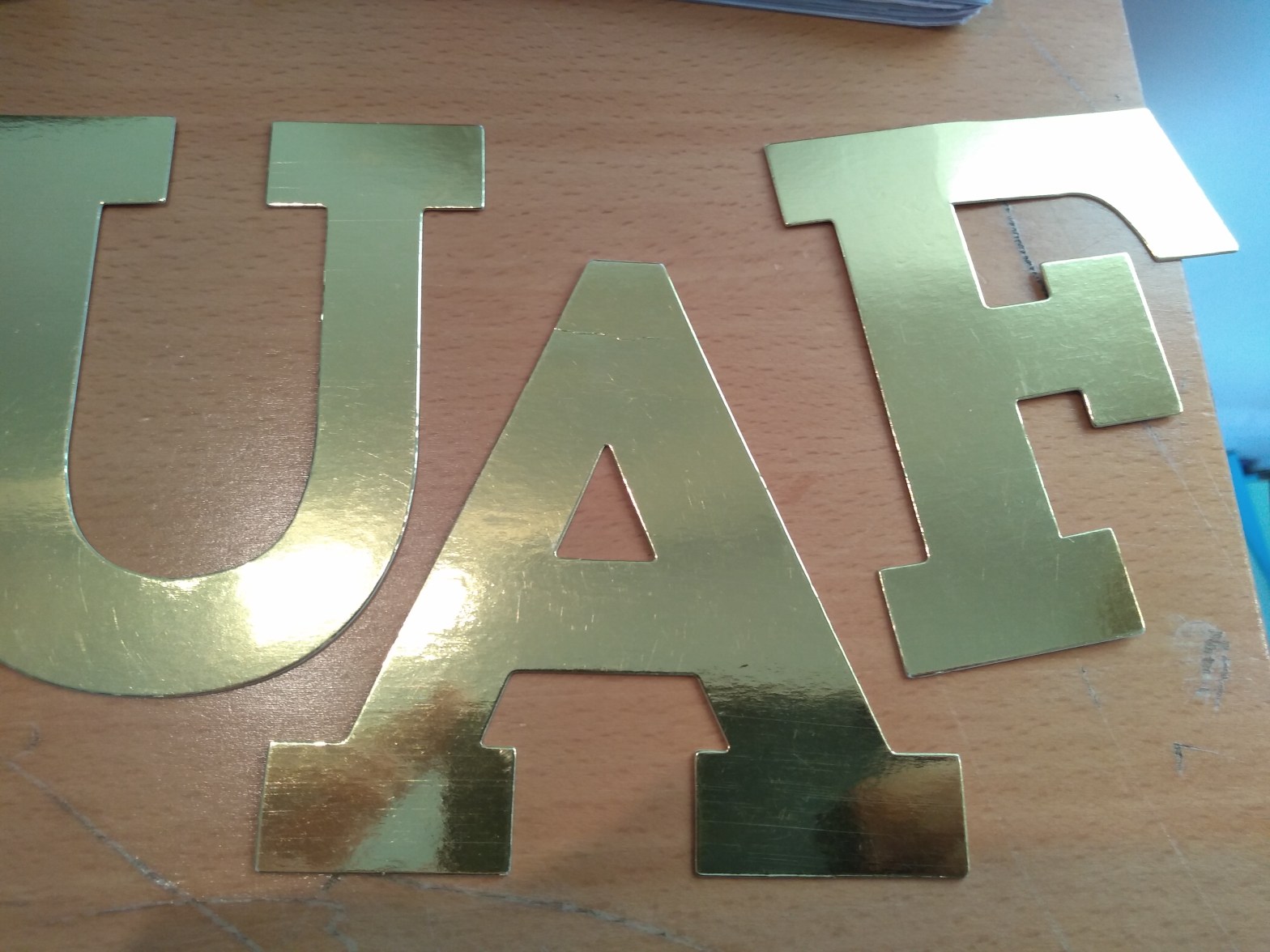
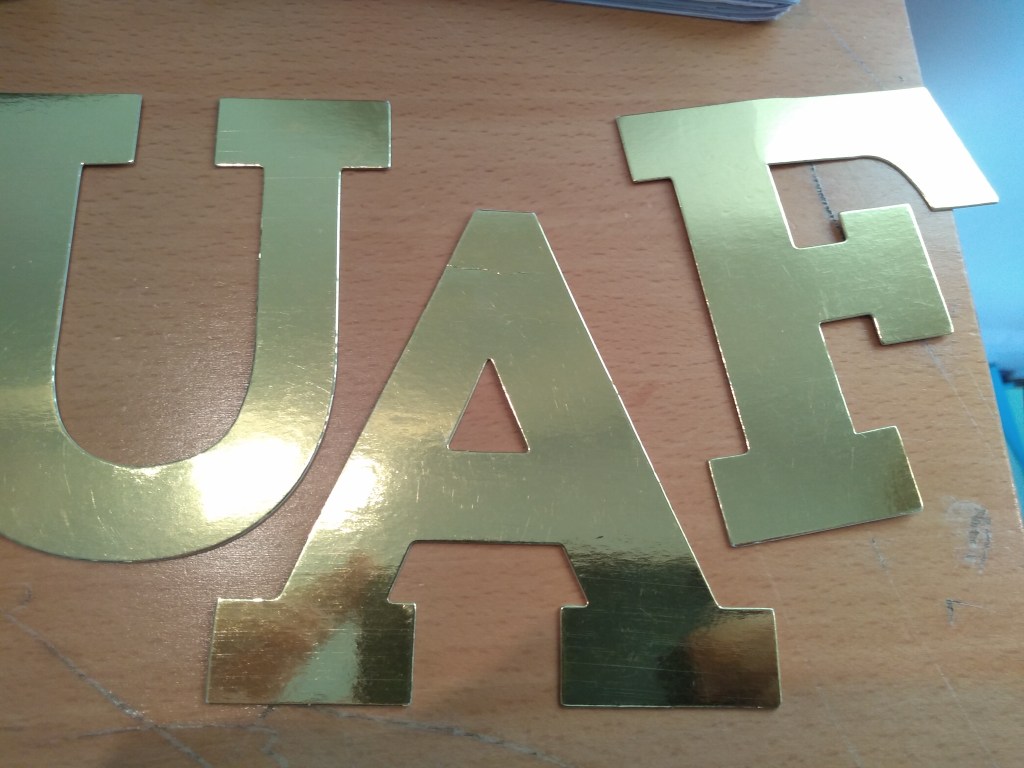
- Alphabet shapes – You can DIY these, or write them on a piece of paper. If you are an avid cutter, you can easily make these. I did purchase mine as I know from experience I am not the best scissor user! I purchased mine from The Works last year for around £1. Not a bad price!
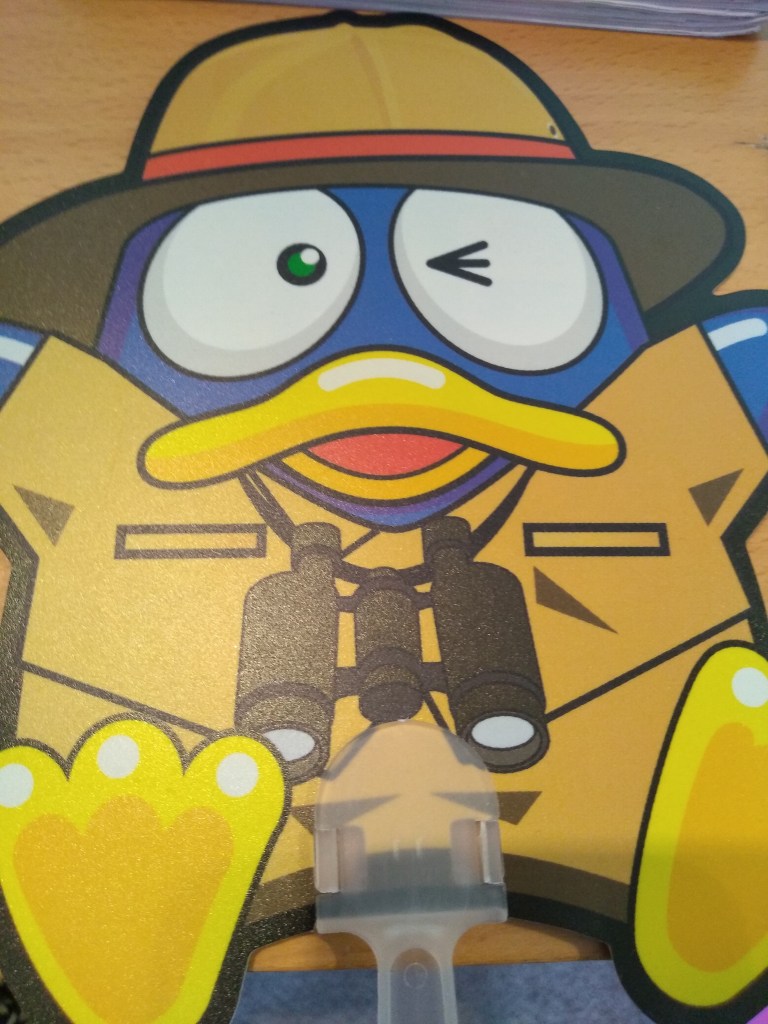
2. A puppet or teddy bear- Sometimes very young children feel more comfortable with a puppet telling the story. It also makes the story more interactive. We all enjoy reading a story, and some of us may remember Sooty and Sweep with fond memories. I had this little guy floating around the house, it’s actually a fan but serves as a puppet in my online tutoring classes.
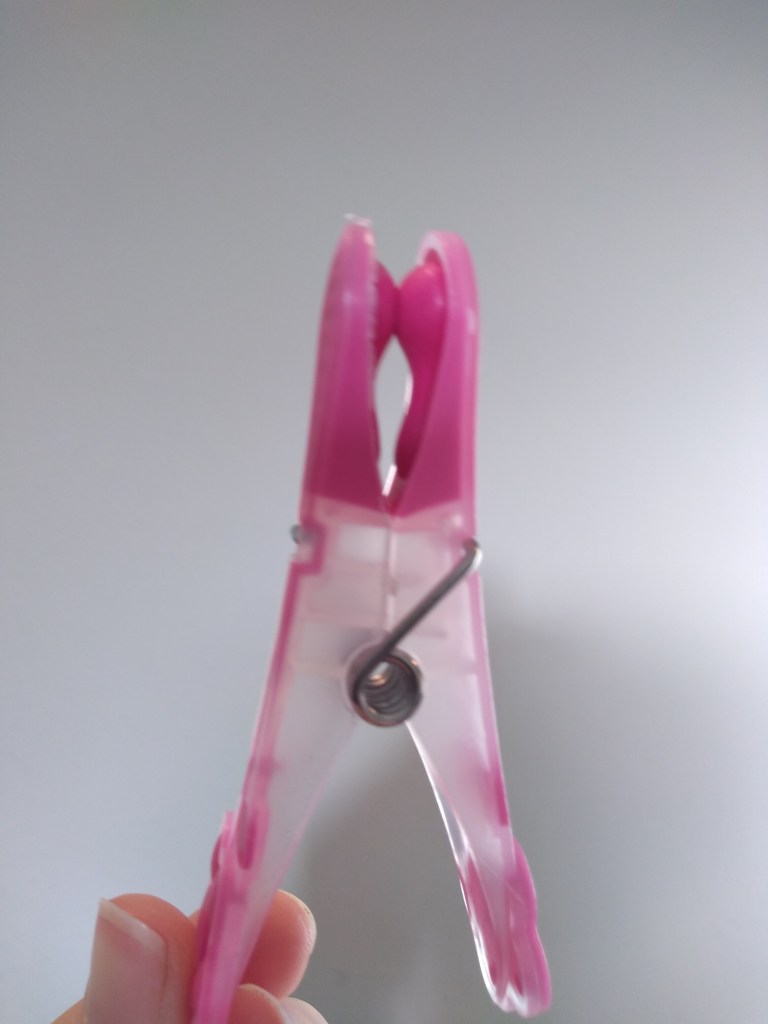
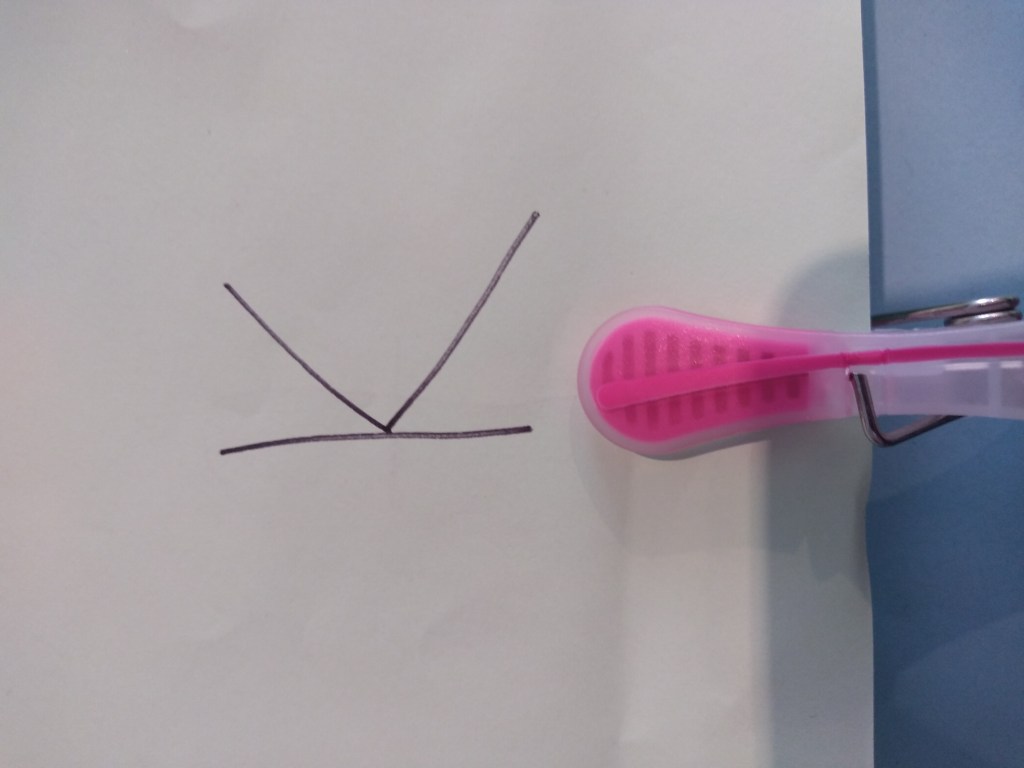
3. Clips/ pegs – The pre-school teacher’s best friend. These are great for building up fine motor skills, can be a make shift crocodile, can be used in crafts. I am sure you have some of these floating around the house. A good game for children aged 3-4 is using pegs to put pom poms into a box. They can also be used in various sorting activities.
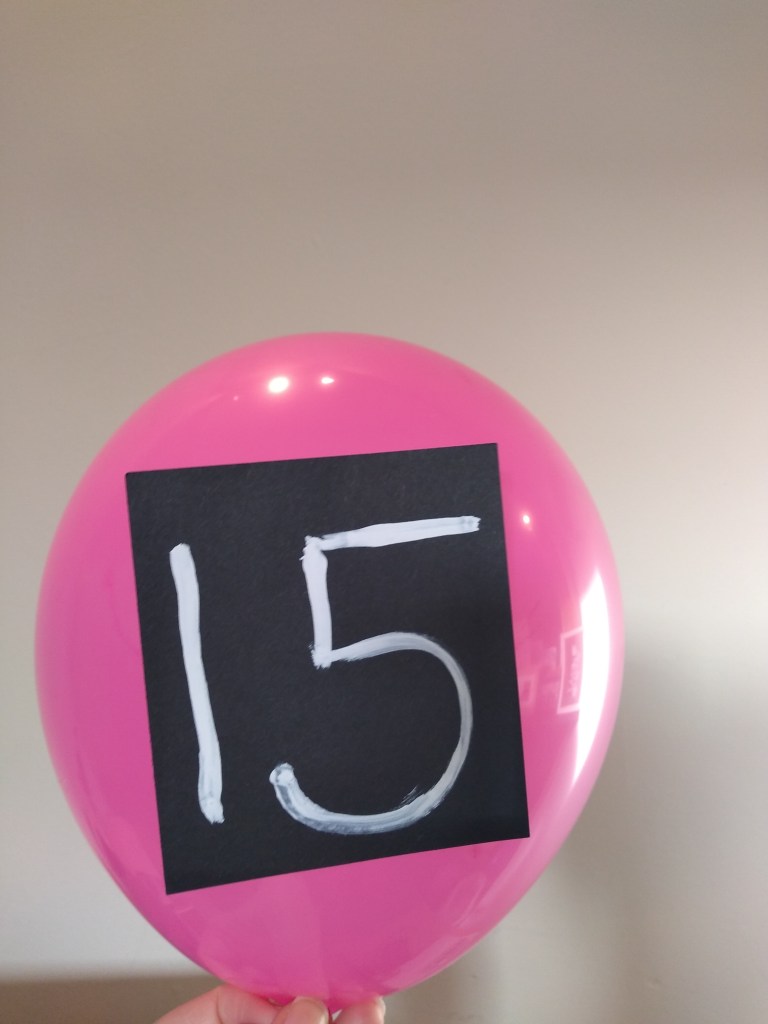
4. Balloons- I had an enjoyable lesson with a child who enjoyed seeing the balloons and guessing which number was on each one. Balloons can be used for teaching science (air/ states of matters), colours, and you can attach numbers and letters to help with phonics and numeracy skills. I had some floating around a drawer, left over from a birthday. It does spice up an online lesson.
5. DIY games – We can’t always afford fancy board games and resources. Sometimes the most successful games are hand made, simple yet effective. I made a simple phonics game with a piece of paper and a peg. The crocodile (peg) was hungry and went to eat different letters. The child then said the letter name and the letter sound. You could do this with numbers, colours, sight words, punctuation and more. An enjoyable and effective activity.
What resources do you use at home? Do you have any ideas for free resources? Leave a comment to share your ideas.
 Ms A Tutoring Services